

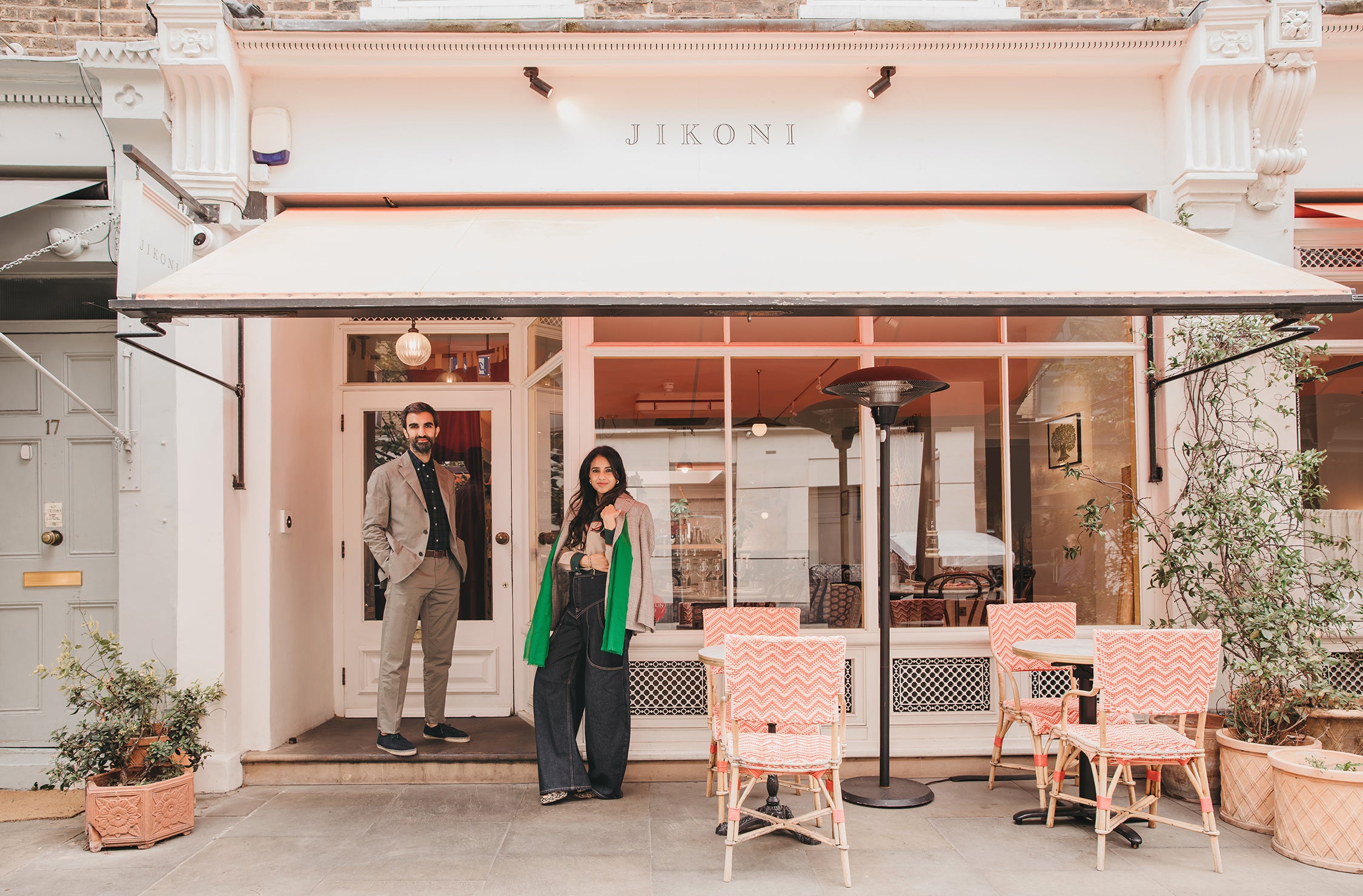
When Ravinder Bhogal and her partner Nadeem Nanjuwany founded Jikoni on Blandford Street in 2016, they weren’t simply opening a restaurant. They were asking a question: what happens when cultures come together through food? Nearly a decade on, that question has become a philosophy and a fiercely loyal following, with a new chapter now unfolding at Café Jikoni in the V&A East in Stratford. Long-time Trunk customers who understand the connection between craft and the people behind the making, we sat down to talk about ten years of Jikoni, their new East London location, and why great hospitality, like great independents, always starts with purpose.
Trunk Talks: Nadeem Lalani Nanjuwany & Ravinder Bhogal of Jikoni
For those unfamiliar with you, can you tell us a little about yourselves and how Jikoni came about?
Ravinder and I met in 2012. I was working with my brother and cousin to build Lalani & Co, a single-estate tea company supporting organic and biodynamic tea farming, working closely with chefs and restaurants across London. We met at our friend Vivek Singh's restaurant. Apparently I stalked Ravinder at all her supper clubs, though that's not entirely how I remember it!
We soon realised we wanted to create a kitchen and restaurant together, one that reflected modern London — a natural synthesis of our cultures and identities. We asked ourselves: what happens when cultures come together in revelatory ways through food? That became the foundation of Jikoni's first menu, drawing on Ravinder's maternal cooking and global flavours, what we now call "cooking without borders" or "the food of immigration".
We wanted to express that not only through food, but through hospitality — cooking with the intention to nurture, knowing our guests and creating a business that hoped, in its own small way, to make the world a little better. Jikoni was born, and we're grateful to be approaching our tenth anniversary this September.
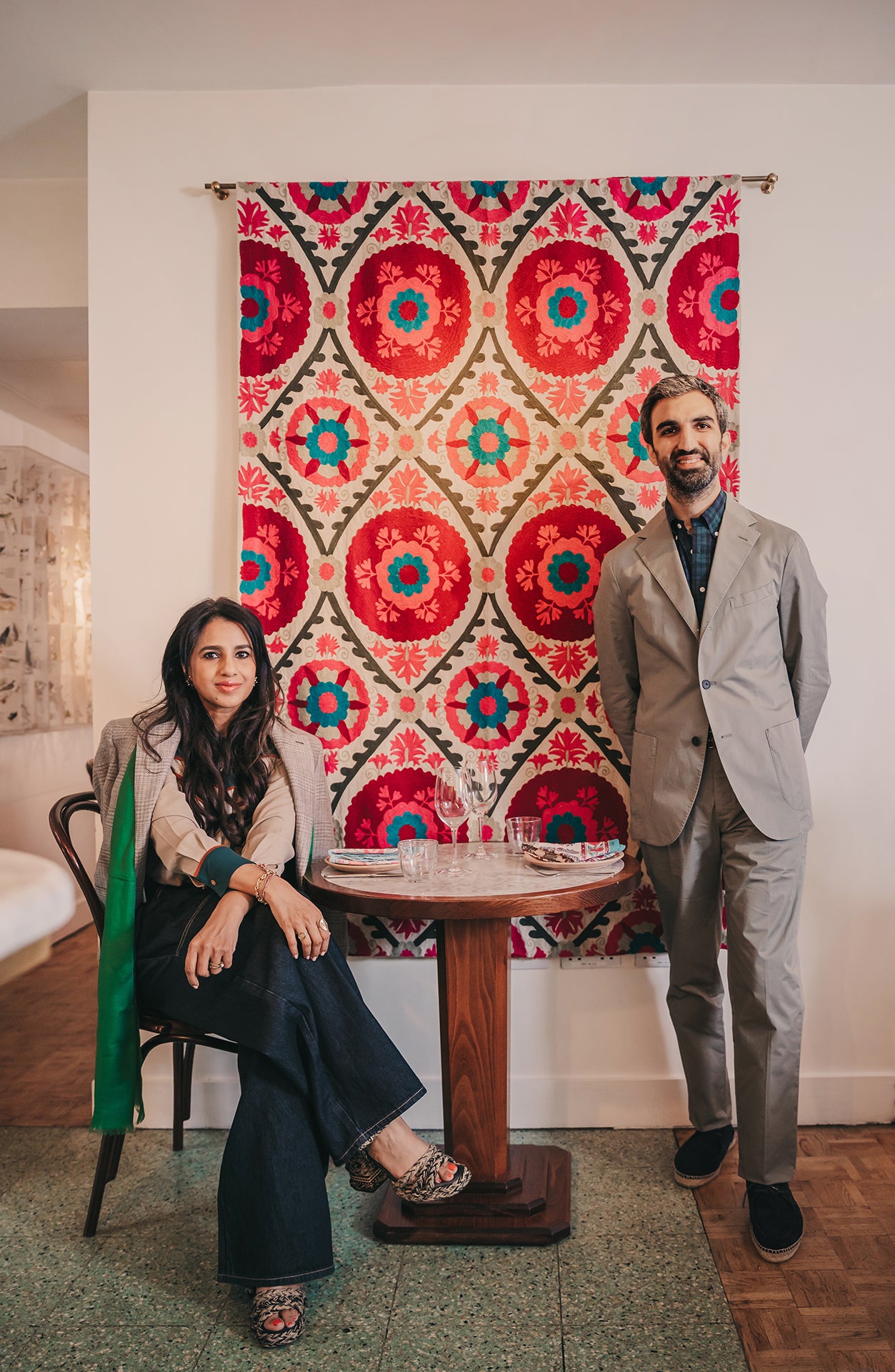
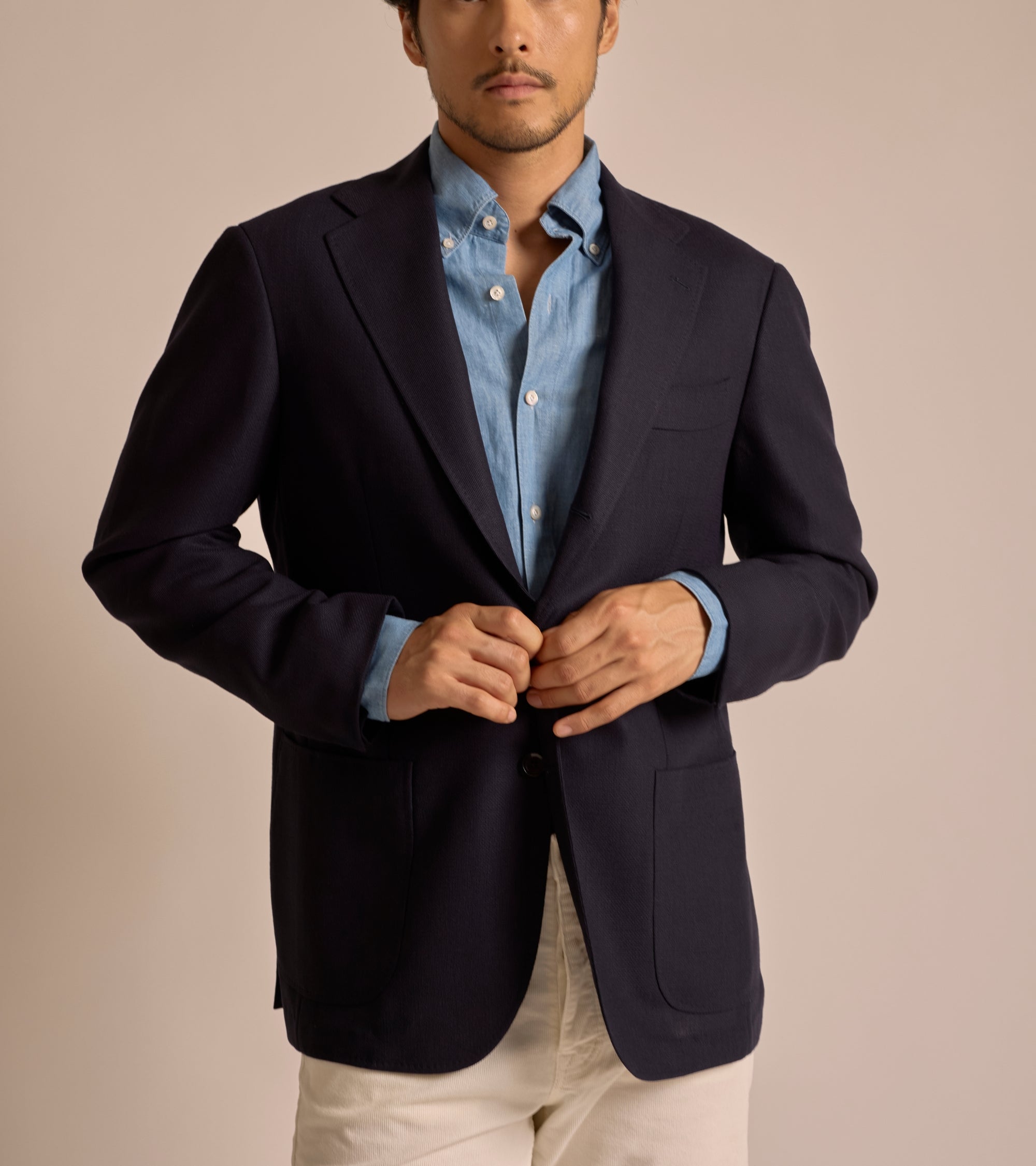
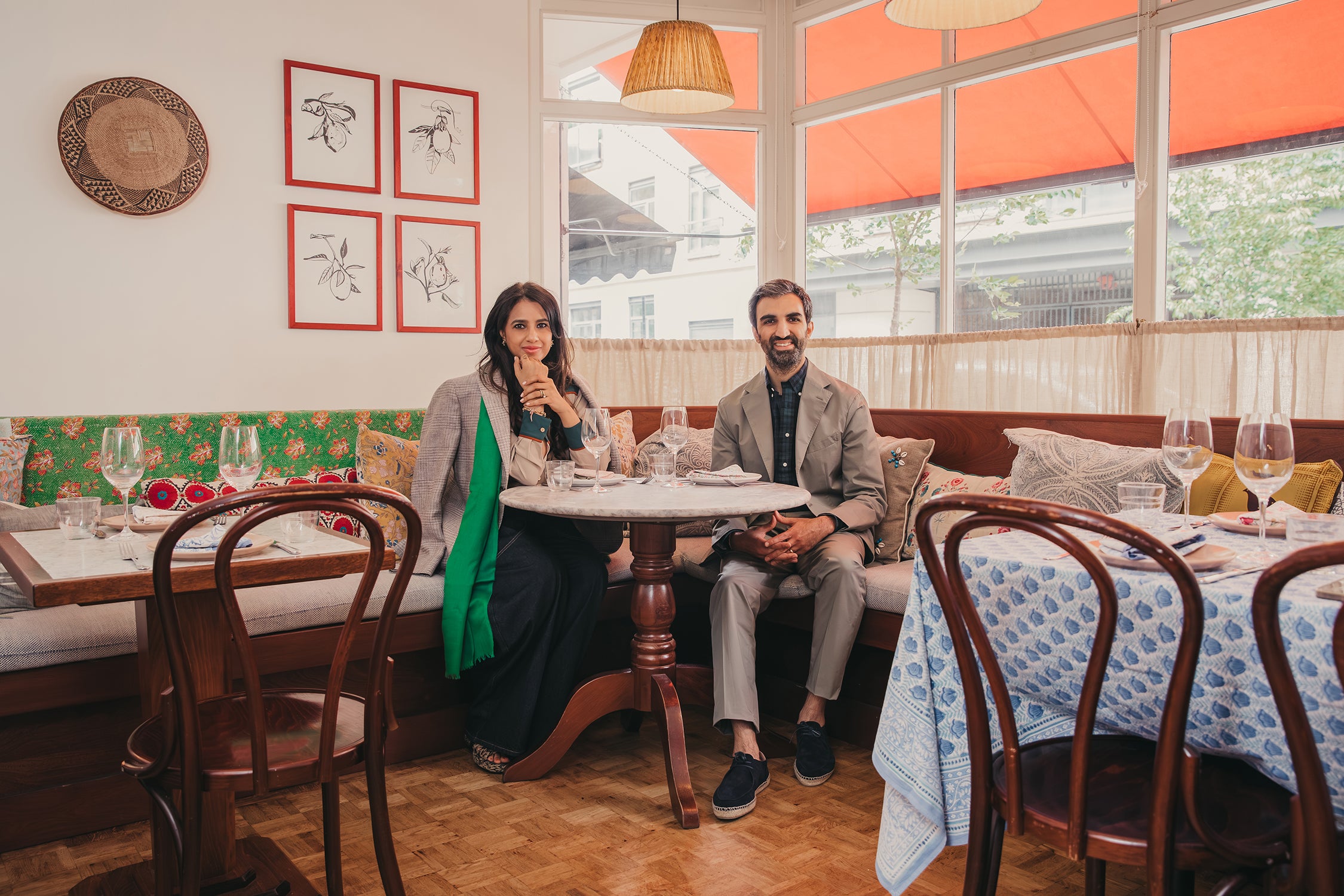
Ravinder is wearing the Caruso Prince of Wales Check Jacket.
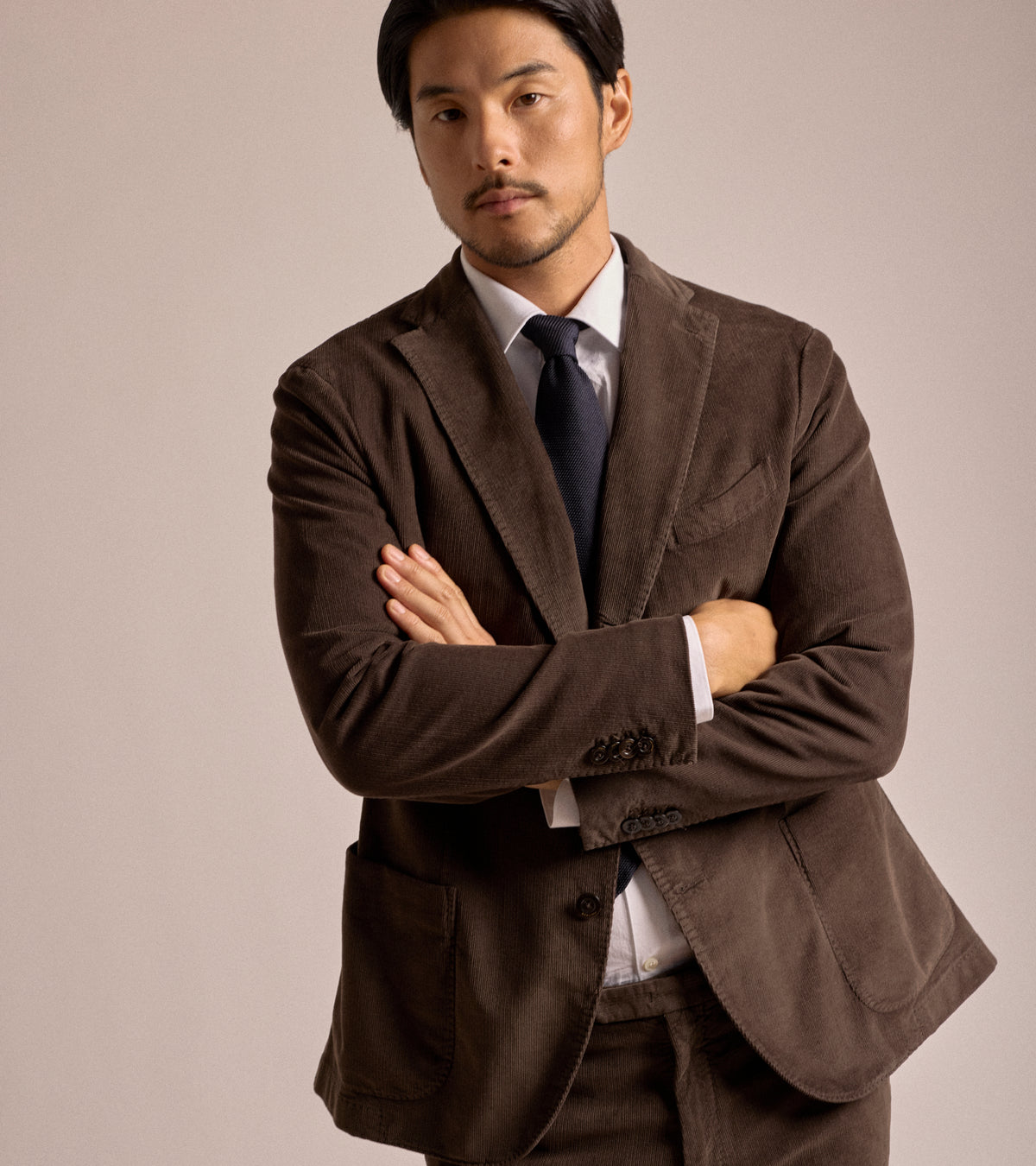
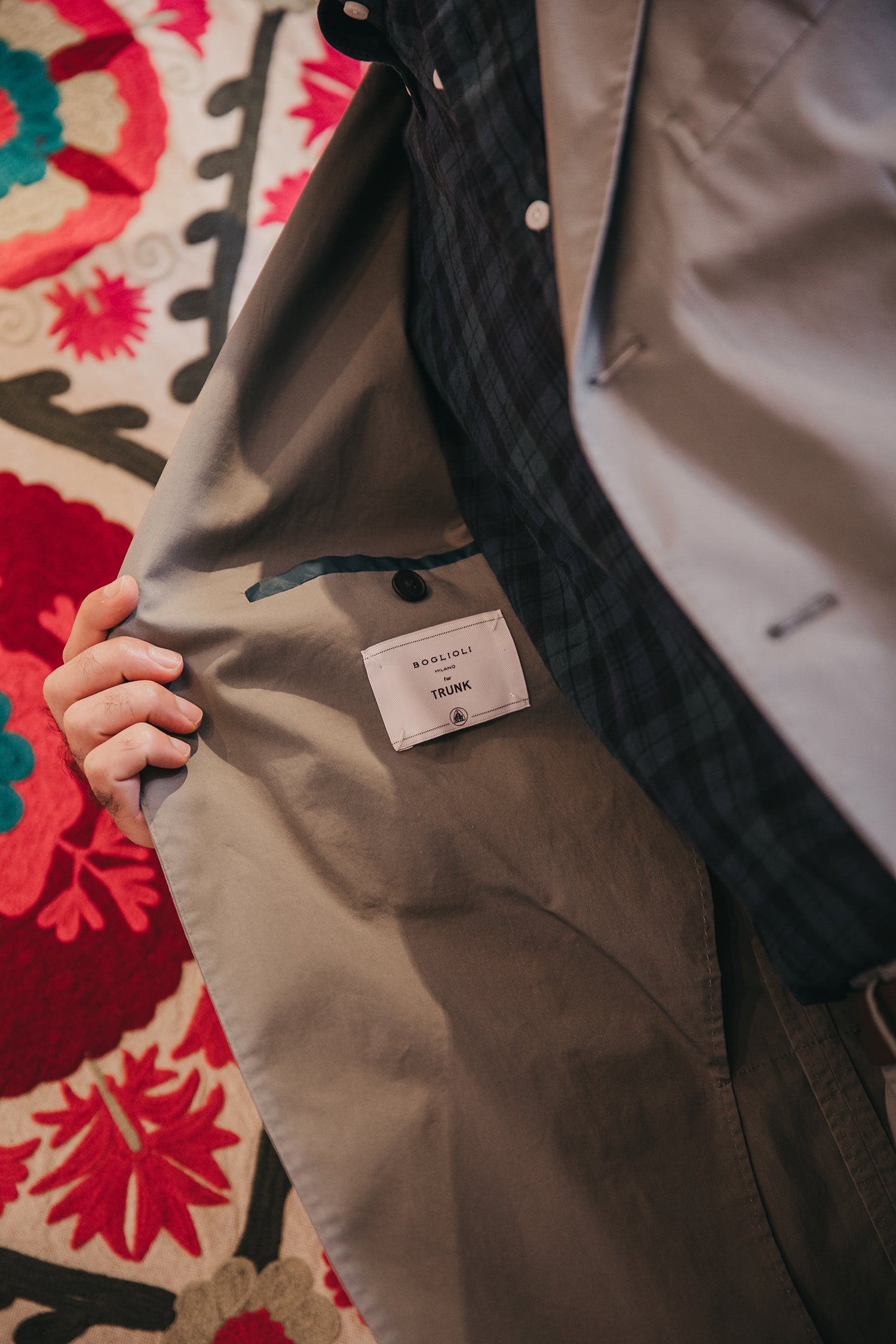
Nadeem is wearing the Boglioli Cotton Travel Suit Jacket & Trousers, Gitman Vintage Blackwatch Shirt
& Castañer Lace-Up Espadrilles
Jikoni has built a really devoted following since opening on Blandford Street in 2016. What do you think sets it apart?
Jikoni is a feeling. It's hopeful. It says that when you bring cultures together, they can create something more delicious than the sum of their parts. I think that resonates with people, a celebration of pluralism.
Ravinder often says, "Where politicians struggle, cooks get it right — there are no borders in kitchens."
Something we started with, without fully realising it at first, and still do today, is the belief that intention matters. At Jikoni, we ask our team to cook with the intention to nurture and nourish each other and our guests. The hospitality is genuine — a neighbourhood place with a global palate that knows people's names, sees them and looks after them. Each day we wake up and try to do that a little better.
I've worked with passionate growers and sustainable agriculture my whole career and that's been a passion that we weave into the nurturing and maternal approach at Jikoni. When creating the menus, we celebrated all our identities — British, East African, South Asian and Persian and connected our kitchens, chefs and bartenders with passionate growers and nature. Over time, all this evolved into to celebrating what we call the food of immigration and maternal cooking. I think this gentle approach has resonated with many people.
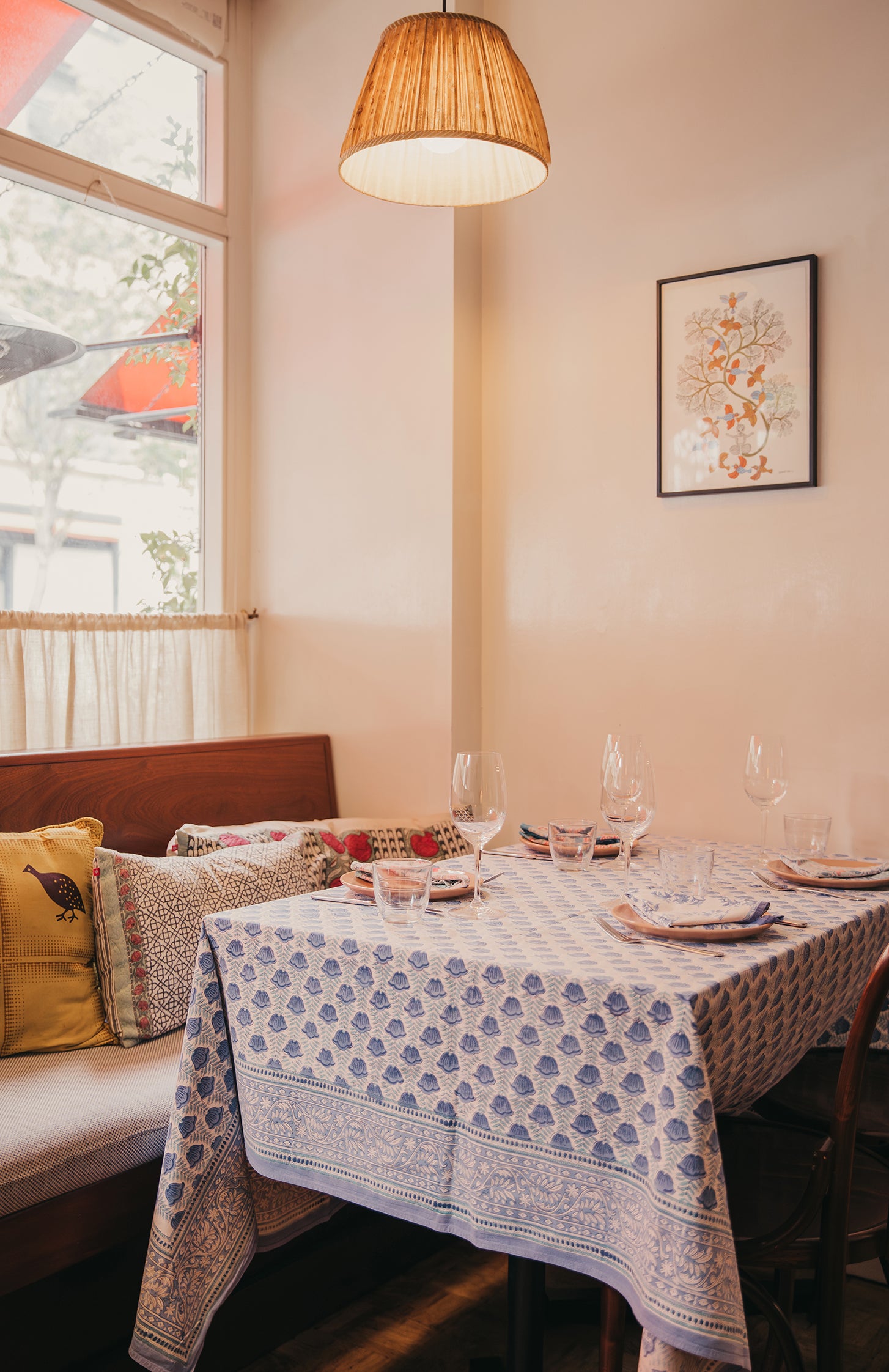
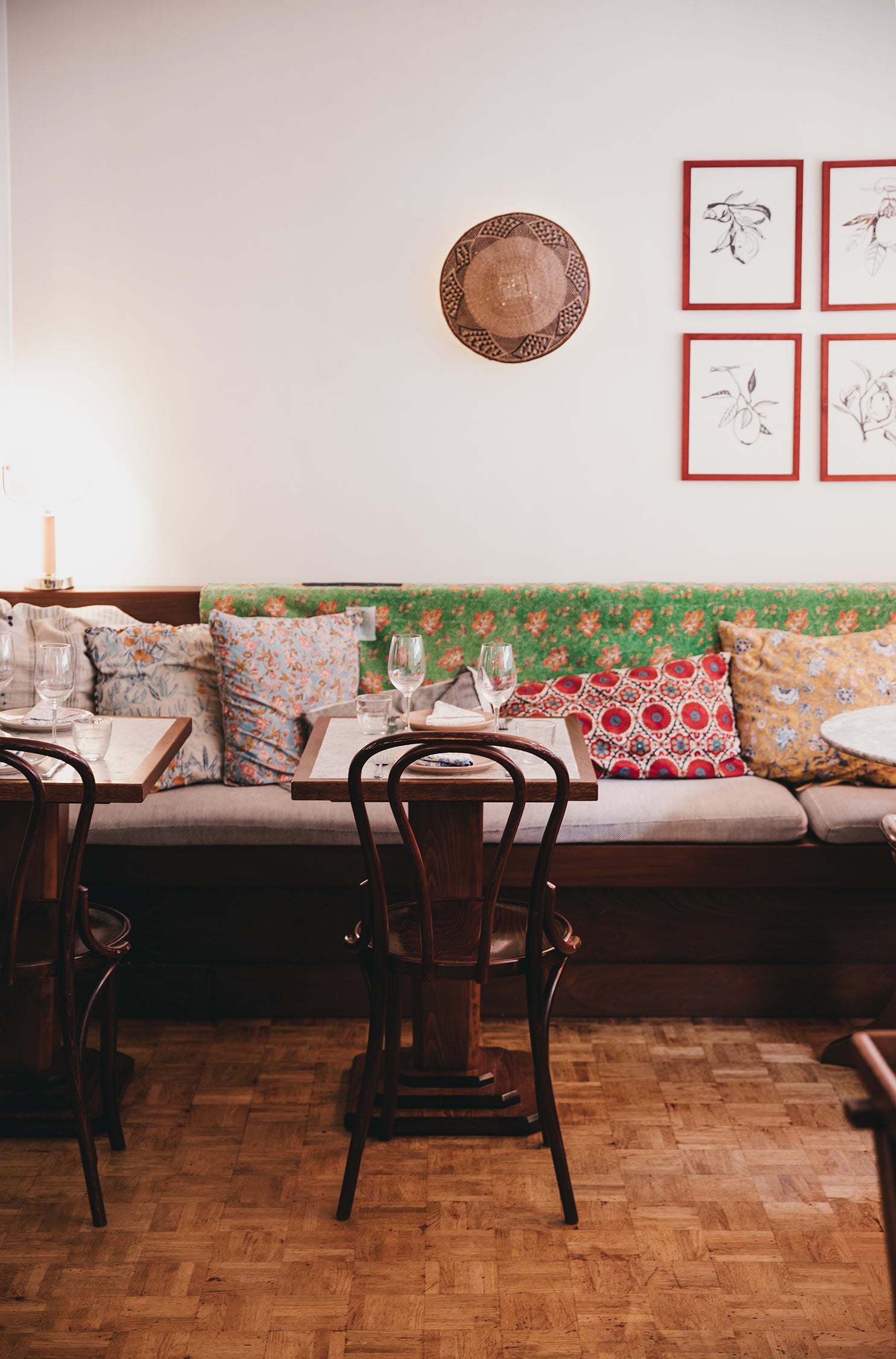
You've just opened Café Jikoni at the V&A East in Stratford, which feels like a significant step. What drew you to that project and what are you hoping it brings to that part of London?
A mentor from afar, Danny Meyer, once said that the purpose of a restaurant is to restore. We found ourselves asking: how much restoring can a restaurant do?
Working with a public institution felt like an opportunity to extend that impact. The more successful we are at practising hospitality and serving delicious food, the more successful the institution becomes, and the wider the impact we can have. It's another way of giving back, and one that allows our guests to be part of that positive endeavour too.
The V&A and the Mayor of London's mission was to create a museum that belongs to everyone, particularly younger people. That's something we wanted to support. We felt Jikoni's celebration of maternal cooking, immigration and cooking without borders could speak to the wonderfully diverse communities of East London and Stratford.
The project took three years to bring to life through a public tender process, and we opened in April 2026. We're excited about all the guests we're going to meet, the coffees and lunches we'll serve, and especially the events programme we'll be developing at Café Jikoni and the museum.
Jikoni has always had a strong point of view, a real sense of identity. Do you think that's something great restaurants and great independent retailers share, and is it becoming harder to maintain in London today?
I think you can sense when something has been created with genuine intention and purpose — whether that's bringing joy, feeding people or celebrating great craftsmanship and design, as you do so well at Trunk.
When that purpose is aimed at benefiting everyone involved — team, guests, suppliers, community and investors — a brand develops a genuine voice. London and culture are constantly moving, opening up new space for individuality and creativity all the time.
Both of you have been Trunk customers for a long time, shopping for yourselves and each other. What does that kind of relationship with a retailer mean to you, and what keeps you coming back?
You are fellow hospitalitarians. Trunk understands that hospitality matters — how you make someone feel. I feel just as welcome whether I'm coming to learn, buy a pair of socks or have a shirt made.
There was a moment when the team kindly obliged when I was running late to meet Ravinder and needed to get into my suit for the Fortnum & Mason Food Awards. Only at Trunk.
We also love the curation of makers and the depth of knowledge you have. The humanity behind the makers is something we share with our produce and recipes at the restaurant. The clothmakers, tailors and family businesses behind each garment all come through in the knowledge of the team.
Stepping into the store is a chance to spend time, step out of your routine, appreciate the charming things in life and discuss the finer points of the cut, material and stitching of an Italian-made shirt, of course.

Finally, where do you eat in London when you're not at Jikoni?
We love seeking out neighbourhood independents across London that have craft and passion at their core.
That might be Apna Punjab in Southall, where they make the best Punjabi kulchas in town. If we're in central London, there's a corner table at Maison François where we can linger long into the evening. If we're in Bloomsbury, where we're working on a new project, we might wander over to see Itamar and Sarit Honey & Co on Lamb's Conduit Street, or head west to Mohsen, a Persian restaurant that has been around for many years and where they cook from the heart.
Thank you, Nadeem & Ravinder!
19-21 Blandford Street,
Marylebone
London W1U 3DJ
V&A East Museum
107 Carpenters Rd,
Stratford E20 2AR