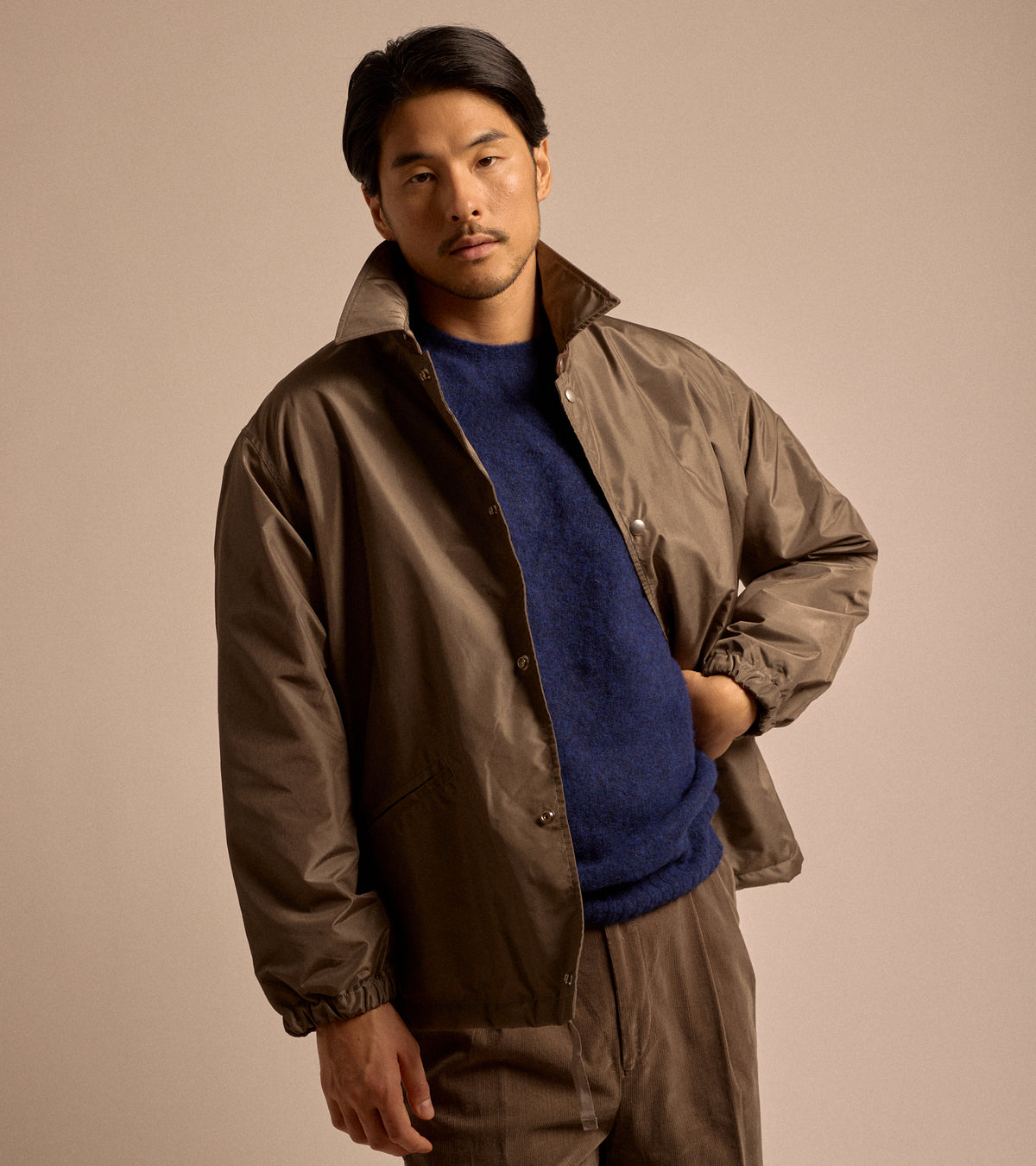
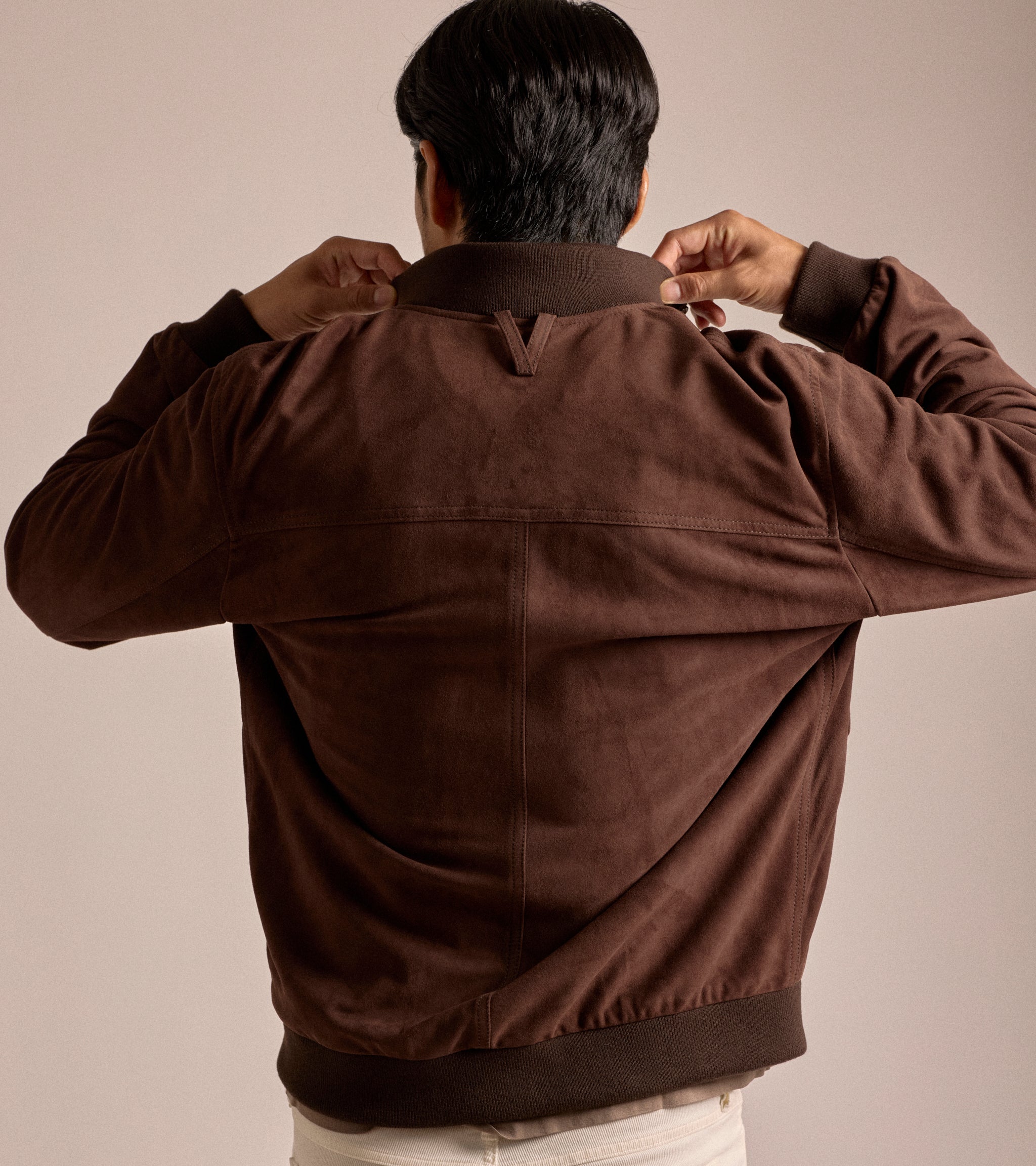
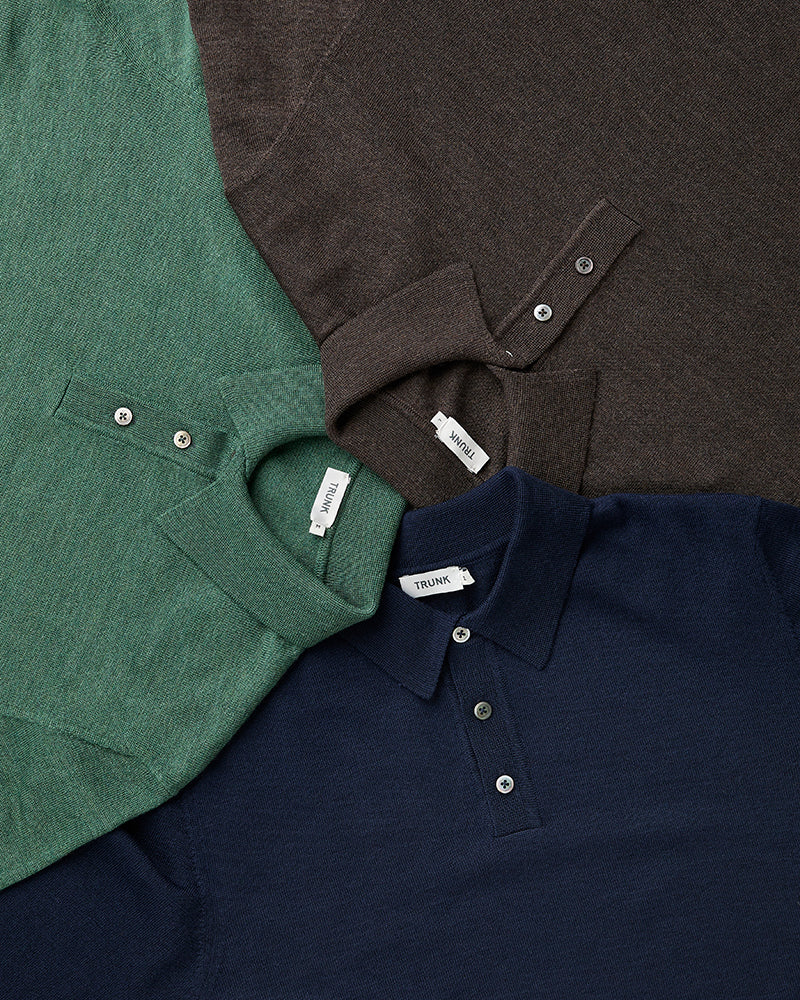
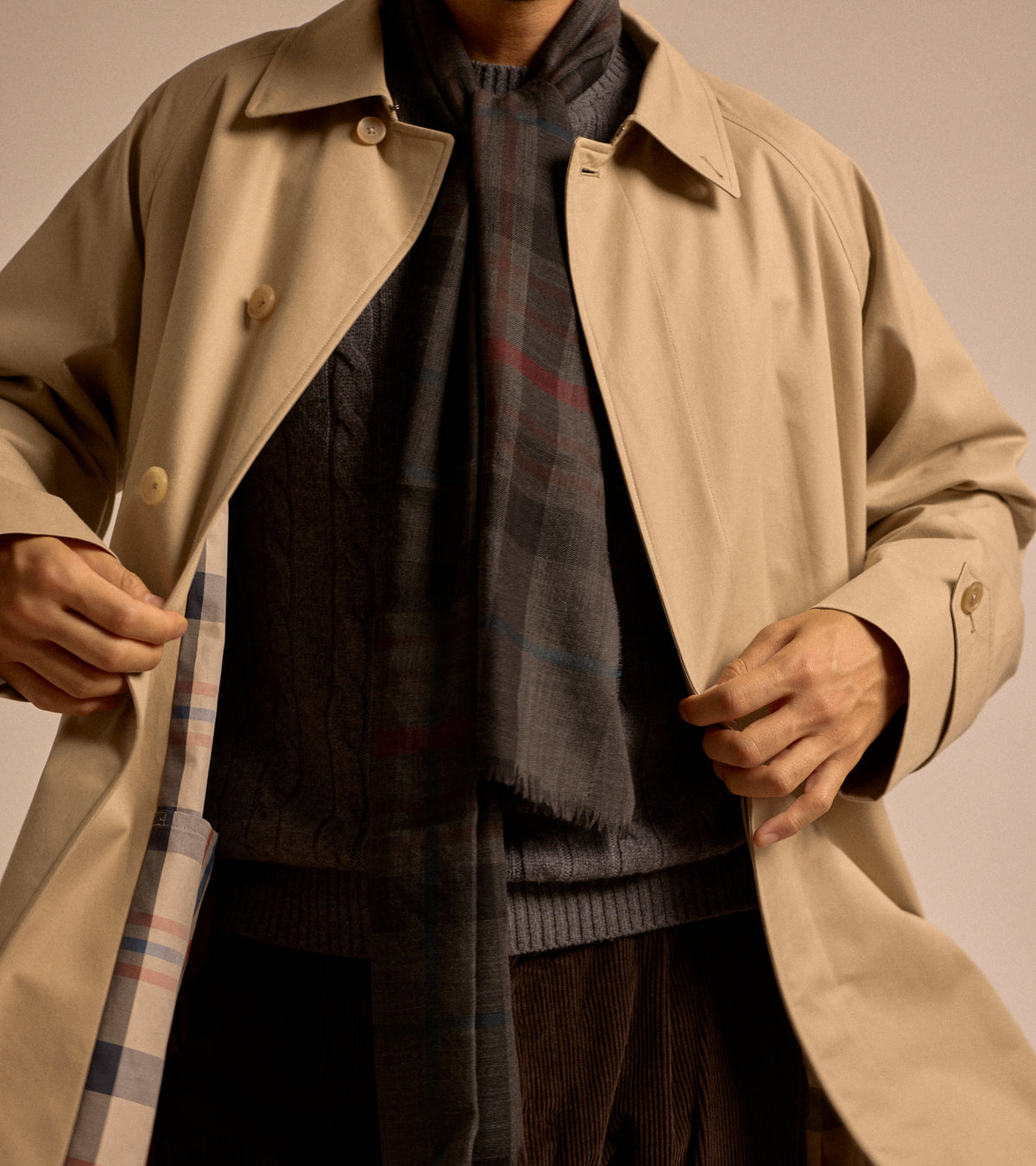
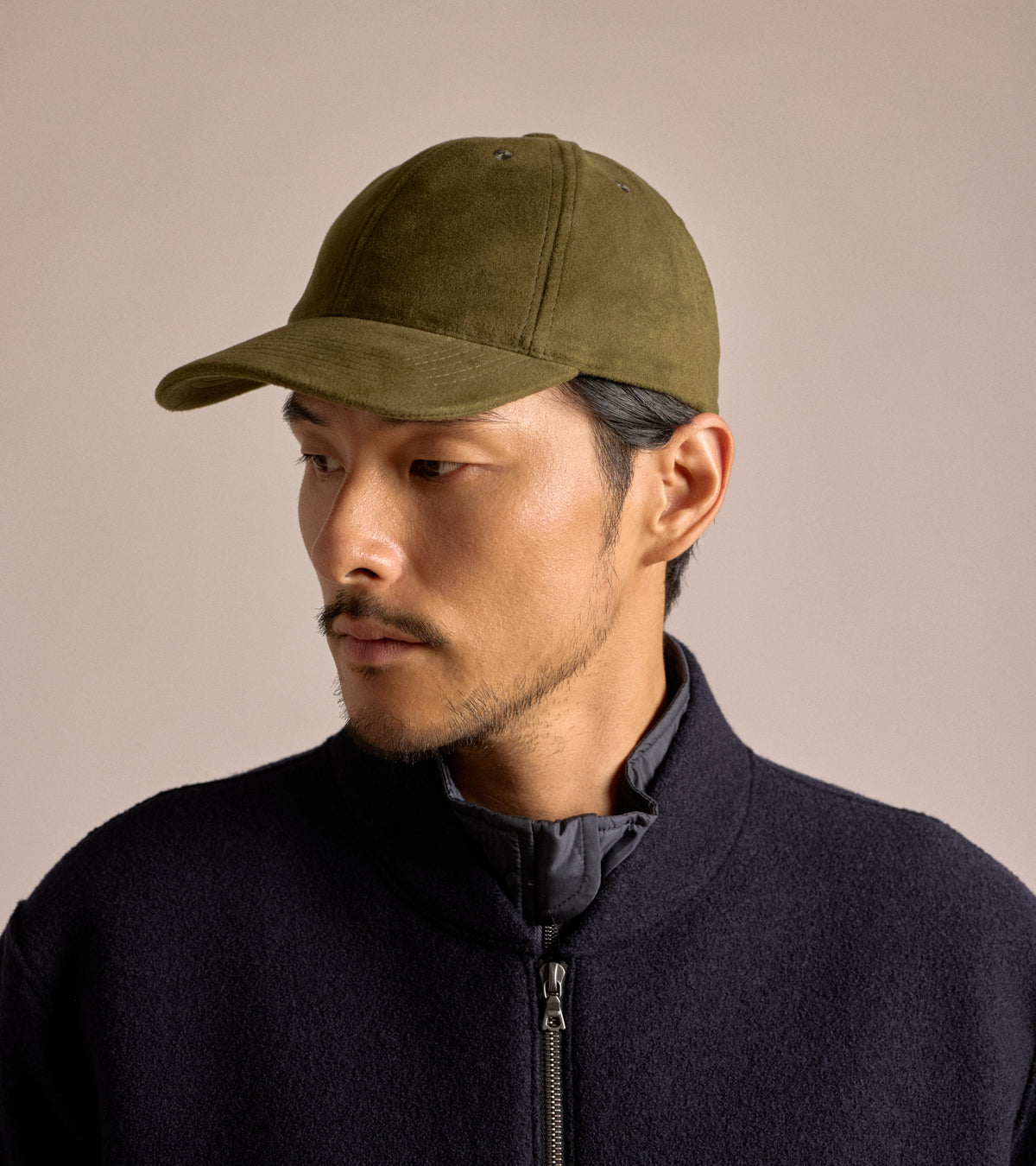

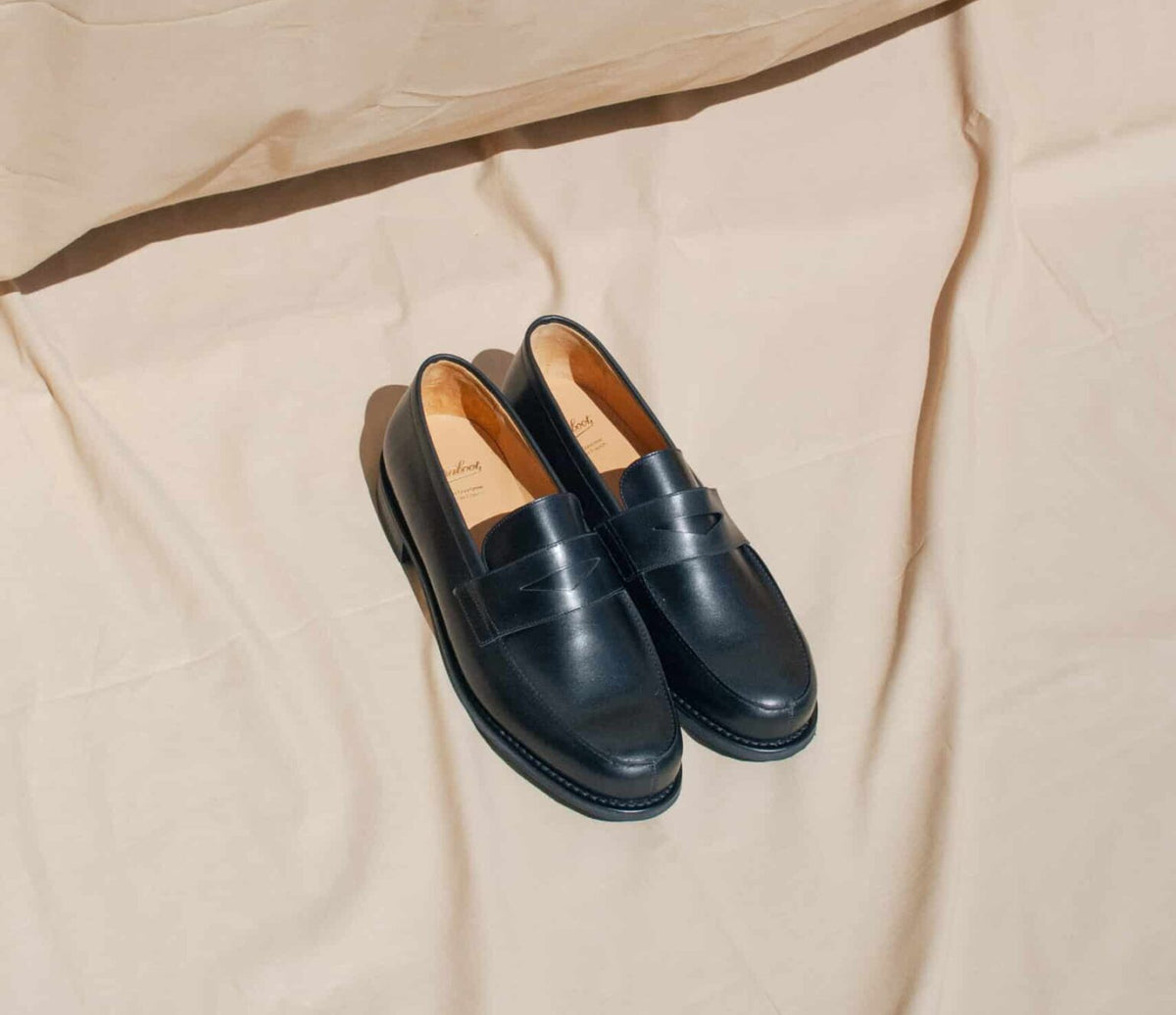
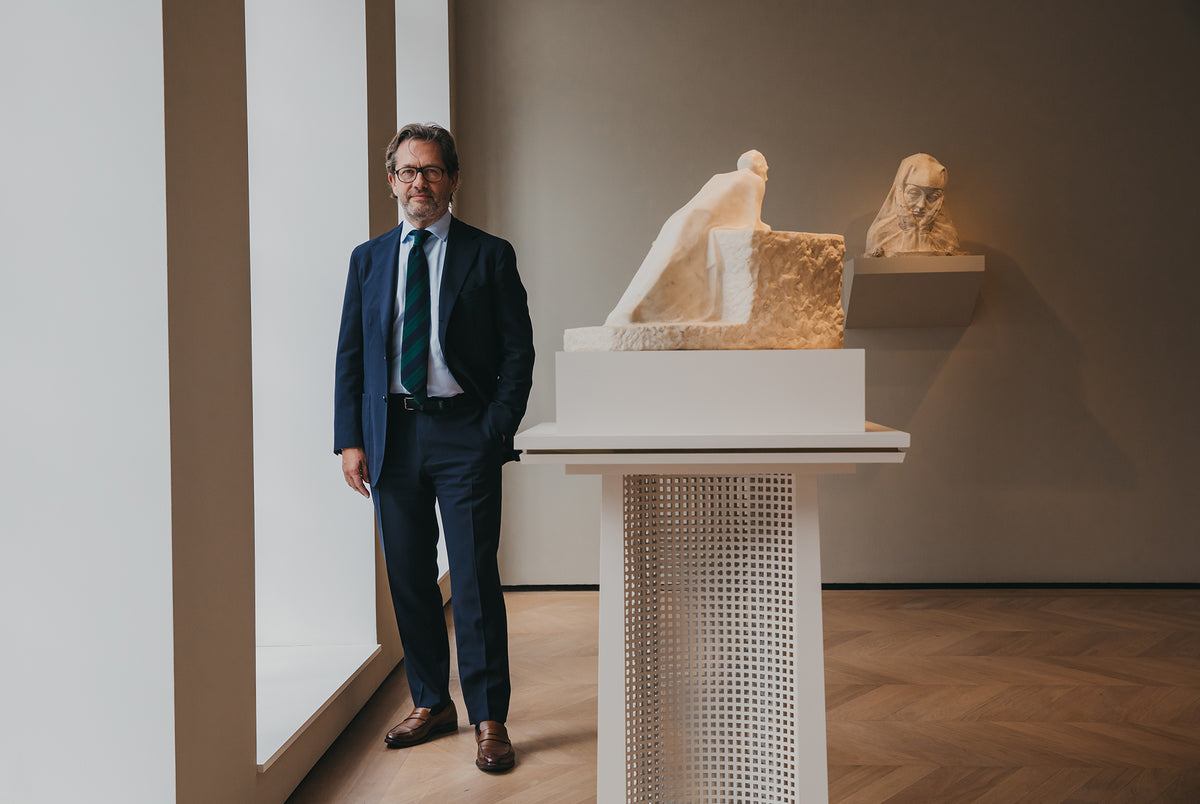
Stuart Lochhead is one of London's leading dealers in European sculpture and a Trunk customer since our earliest days on Chiltern Street. As Frieze brings the art world to London this month, we visited him at his Old Bond Street gallery, designed by Zurich-based architect Yuichi Kodai, to talk about his work, his wardrobe and the exhibition he is staging alongside the fair.
Trunk Talks: Stuart Lochhead
For those who might not know you, can you tell us about Stuart Lochhead Sculpture and how you came to open your own gallery?
We're an art dealership specialising in European sculpture from the Renaissance up to Rodin. That can encompass anything from marble sculptures to bronze statuettes, plaster maquettes or terracotta figures, so it's quite a wide range. I worked for one of the great dealers in European sculpture for many, many years and then decided to branch out on my own in 2018. I was fortunate enough to get a really beautiful small space on Bury Street, which I had for the first few years.
You moved the gallery to Old Bond Street. What made that space right, and has it changed how you present work?
I needed to move as I was expanding, and this amazing space on Bond Street came up. Bond Street has obviously changed over the years. It used to be more about art, with a lot of galleries on the street, and now it's much more about fashion. But it's a very energetic, exciting street, and I loved the idea of coming here and bringing art back to it a bit.
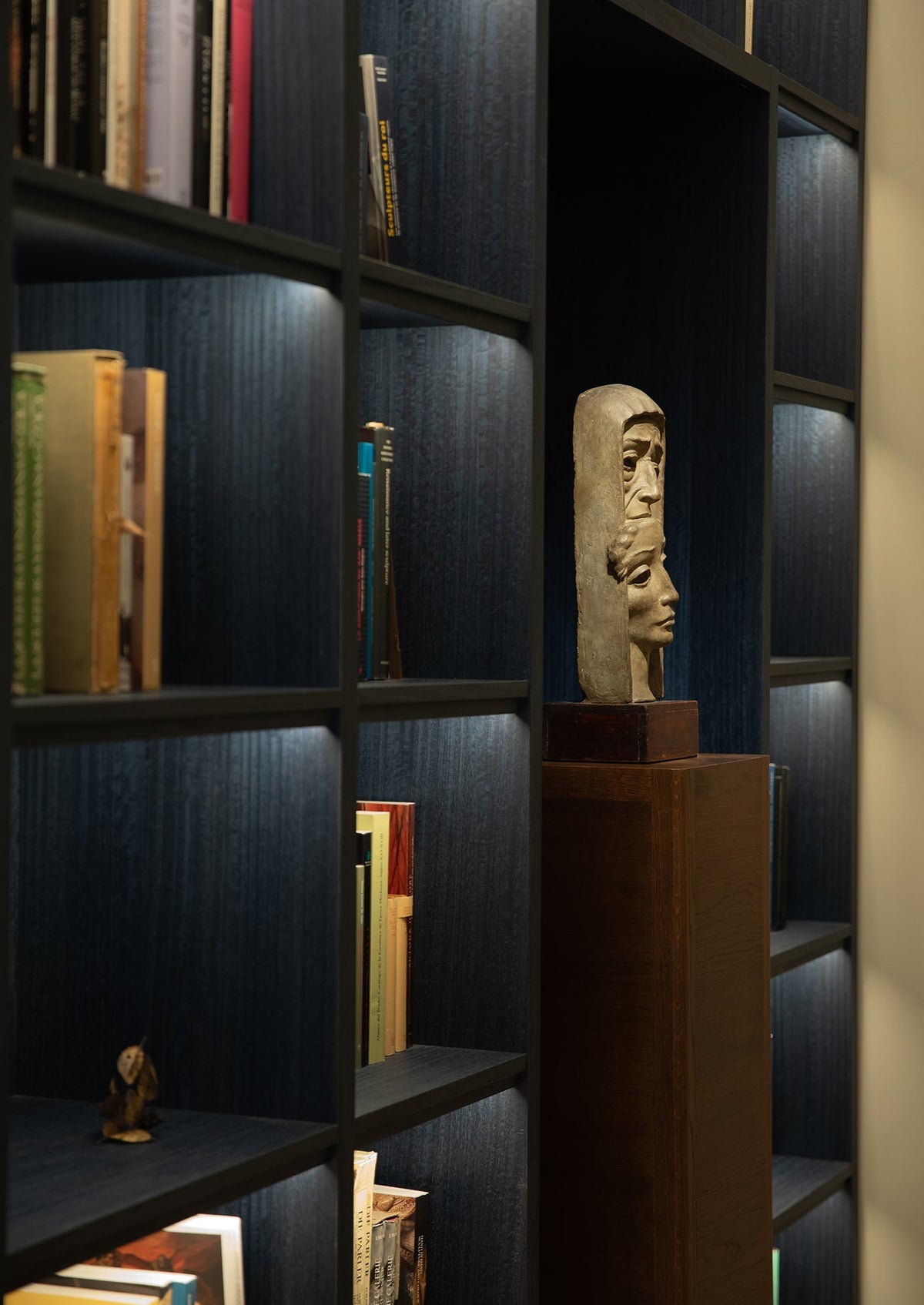
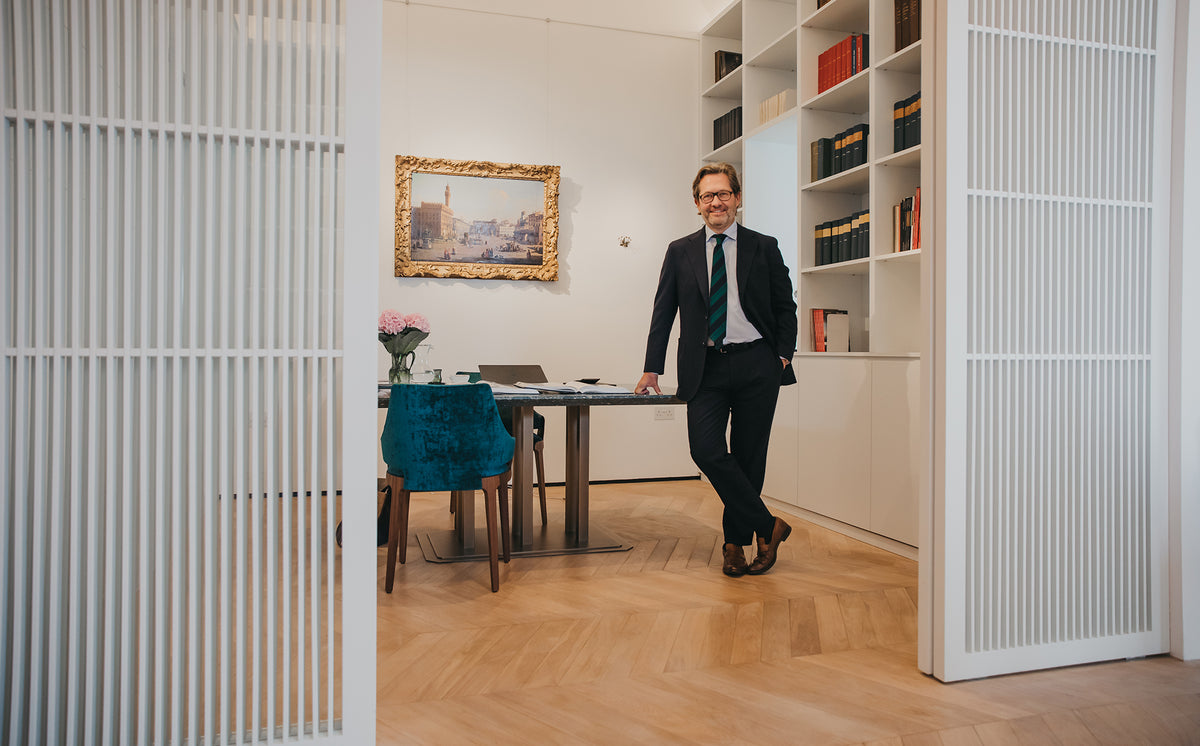
We opened in 2025. The space had been used as an art gallery for many years, but when we got it, it was basically a white-box contemporary art space. So we asked an architect, a great friend of ours who is Japanese and based in Zurich, to design it for us, and he's created a really special environment. You come off the busy street and you're in an entirely different world. We wanted something a bit more contemporary for our more traditional objects, but without being white-boxy, so there's some interest. I think we've managed to create something in between.
How did you first discover Trunk, and what keeps you coming back?
So long ago. It must have been when you opened in 2010. I've always loved Chiltern Street, even 20-odd years ago. It was something a little bit different. And I love Marylebone. Even though I don't live there, we go often.
As for coming back, it's the continuity of great style, but you also add in different things to discover. It's never too dramatic. It's things you can easily imagine yourself wearing. Sometimes it's the staples, sometimes it's about getting a great suit, or you see a great jacket you've sourced from Japan.

Your days span working with museum curators, collectors and handling the works themselves. How do you balance dressing well with the practical realities of your work?
You never quite know who you're going to meet during the day. It's quite possible you'll suddenly meet a client or a museum curator, so you have to be conscious that you need to look good. But most of the time you're organising or being practical, so there's that element of being smart and practical, which is important. Then there are moments, at an art fair or an exhibition opening or when I'm making visits, when you do want to turn it up slightly and look a bit sharper.
Years ago, in lots of businesses all over the world, you'd have people wearing suits and ties. That's changed, of course, in the art world as well. But sometimes it's nice to put a tie on, because it's different and you stand out a bit.
Looking at the outfit we put together for you, what stands out? Is there a piece that feels most like "you"?
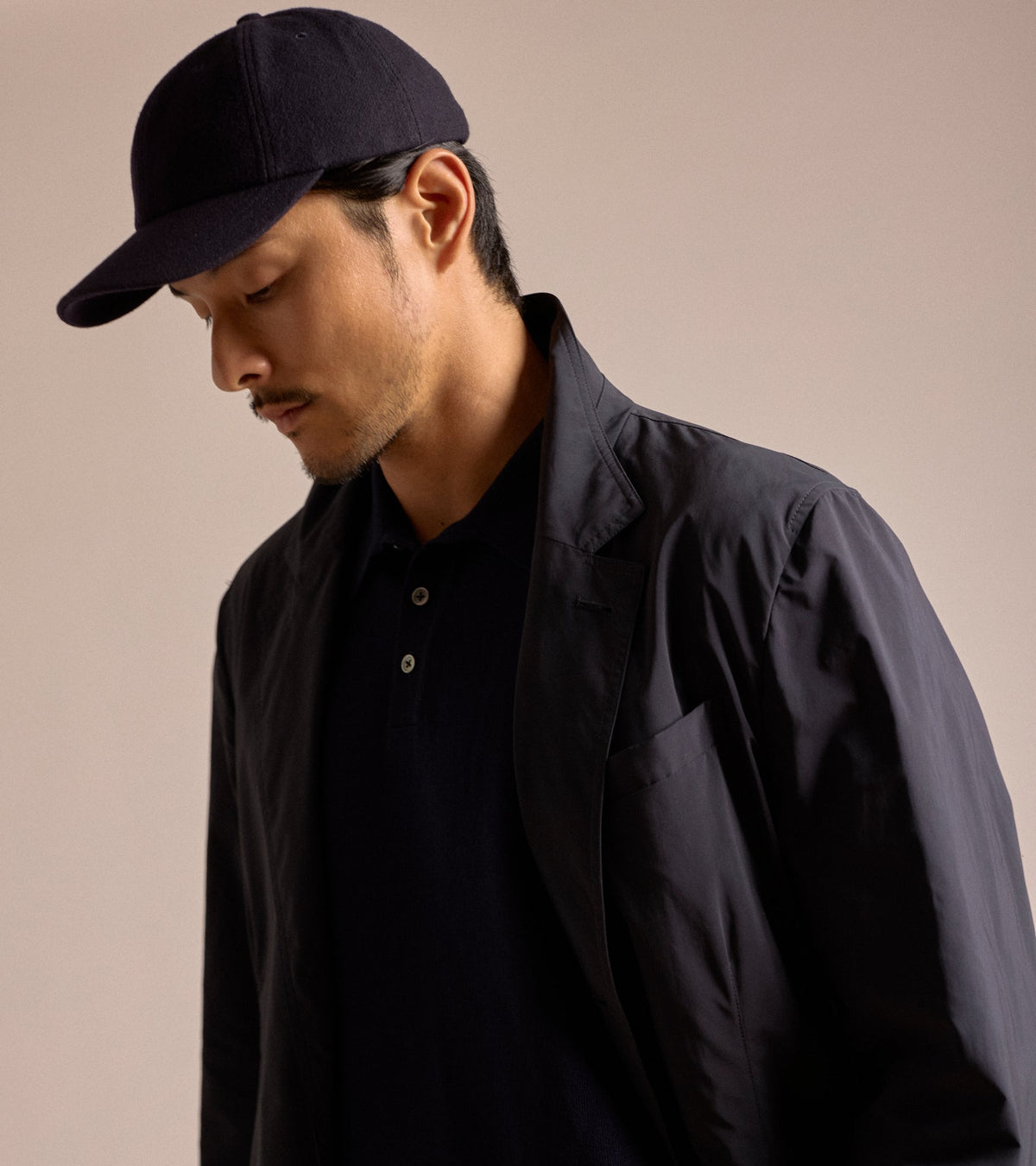
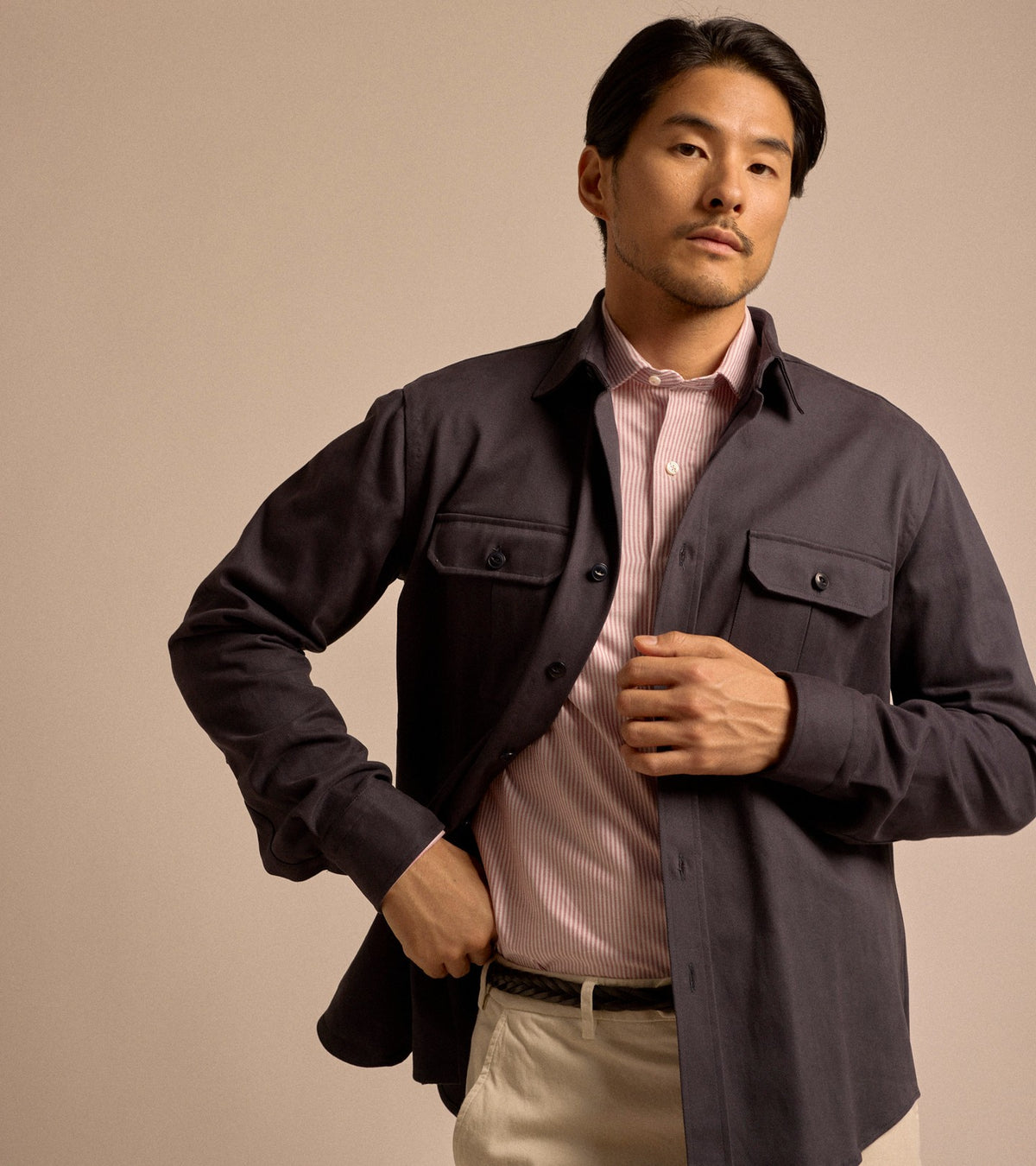
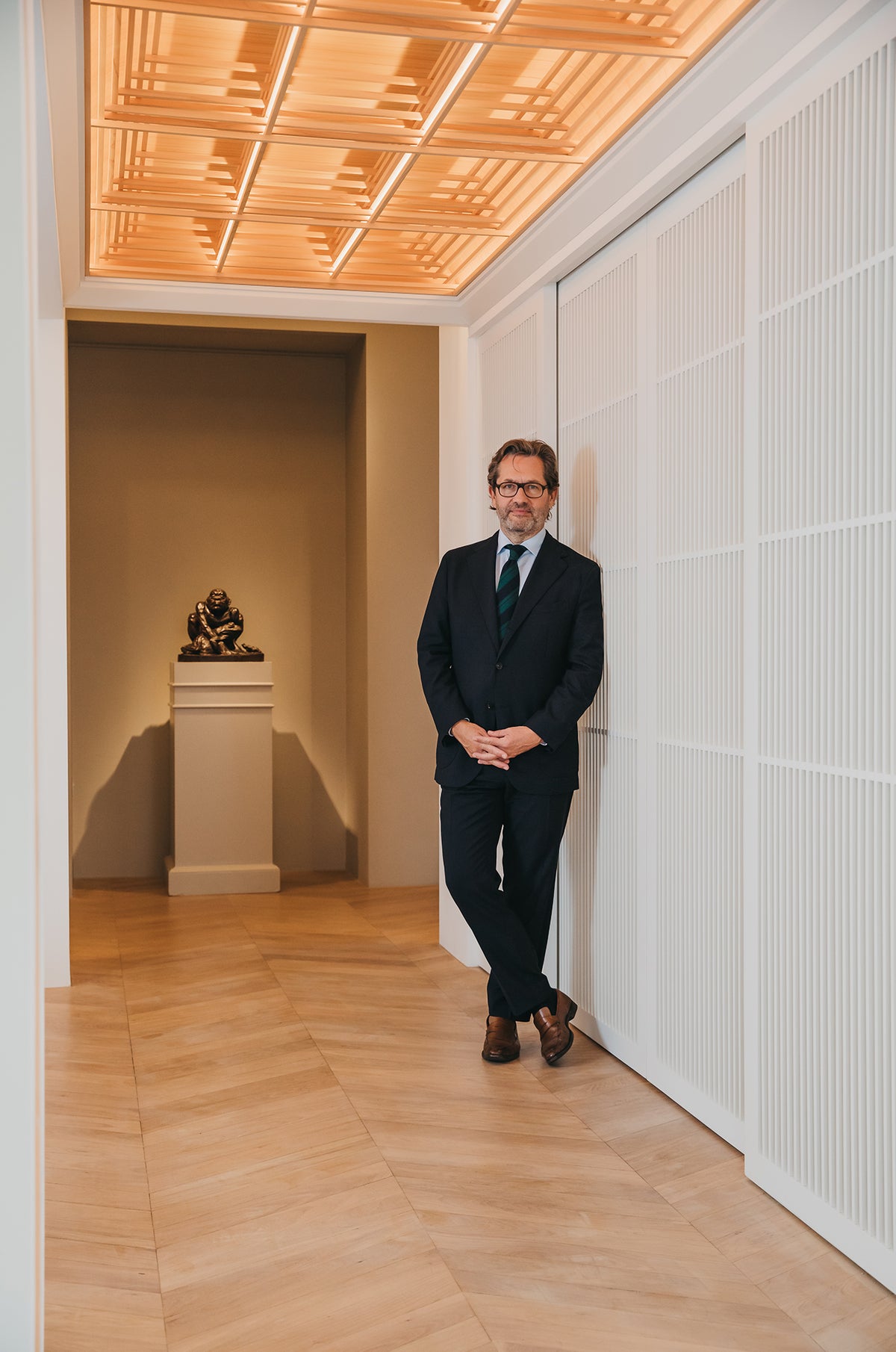
The suit. This is the second or third time I've had a suit in this particular cut and material, the Boglioli K-Jacket. It's smart, but it feels very easy to wear and comfortable, so it's something you can add things to, tone down or turn up. I quite like wearing a pocket square sometimes. The shirt and tie also work great together.
Frieze returns to Regent's Park this month. What does that week mean for the gallery?
We're not exhibiting, but we're running an exhibition in the gallery alongside it. We're doing something a bit more modern, being late 19th century, so that fits with more modern collectors. You certainly see a change of people in the streets. Like Fashion Week, Frieze does that, so there's a buzz about it. We also get our clients coming through from museums. London acts as a real hub during Frieze, which is the magnet for that, so it's great to have an event that draws people in.
Finally, your exhibition Beyond the Visible: Symbolism and its Legacies is on at Old Bond Street through Frieze week. What should visitors look out for?
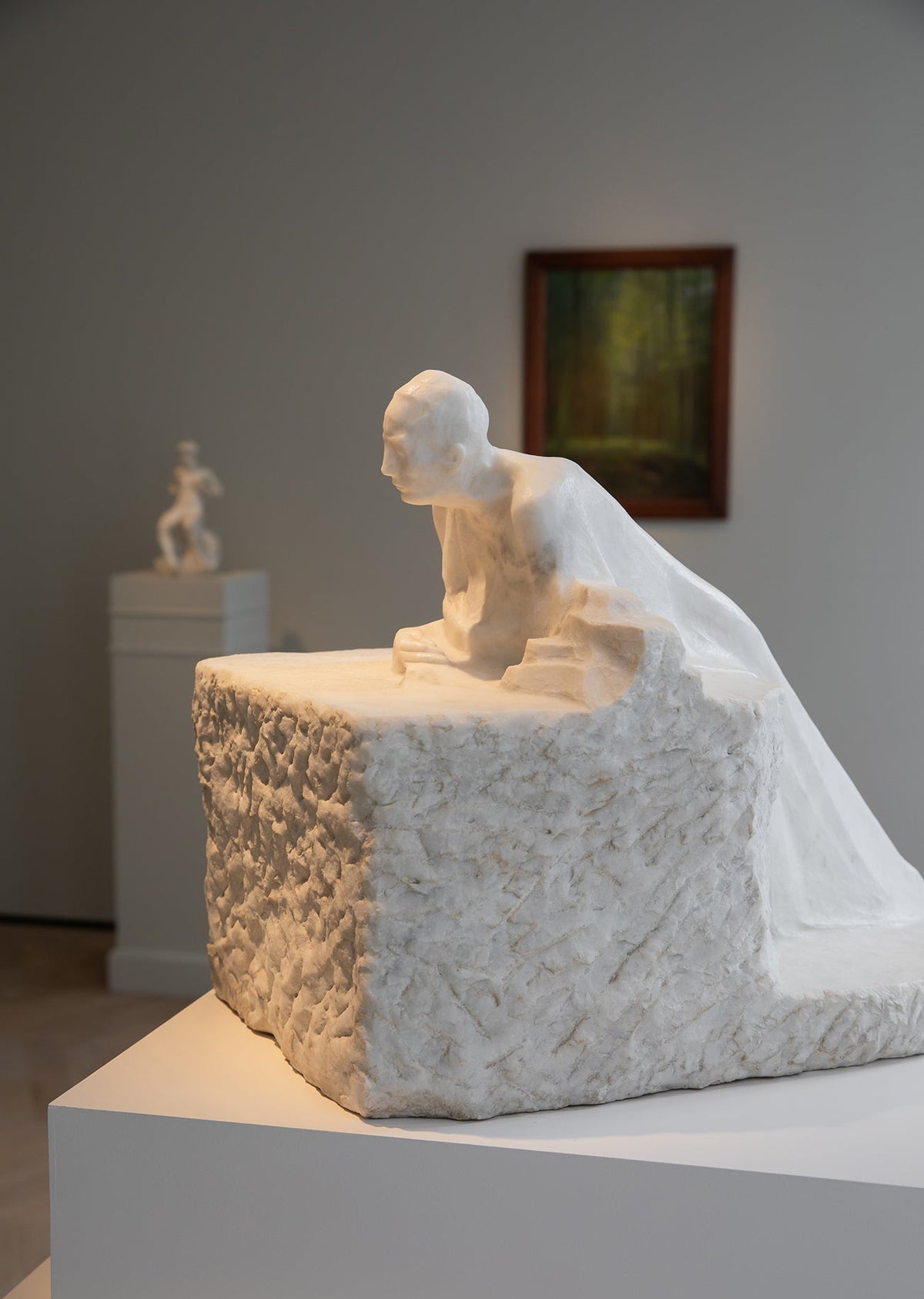
It presents a movement in art from the end of the 19th century called Symbolism, which slightly defies description because so many different artists took a different approach. We're trying to show the different aspects of these creative ideas from sculptors and painters and their responses to Symbolism. It's about taking the realistic or natural world and moving into a dreamlike state or an alternative world, maybe looking through a window and seeing somewhere else. Sometimes it's about you putting yourself into it, and sometimes it's about the artist telling you. It's sometimes hard to grasp the real meaning, but that's what makes it so compelling.
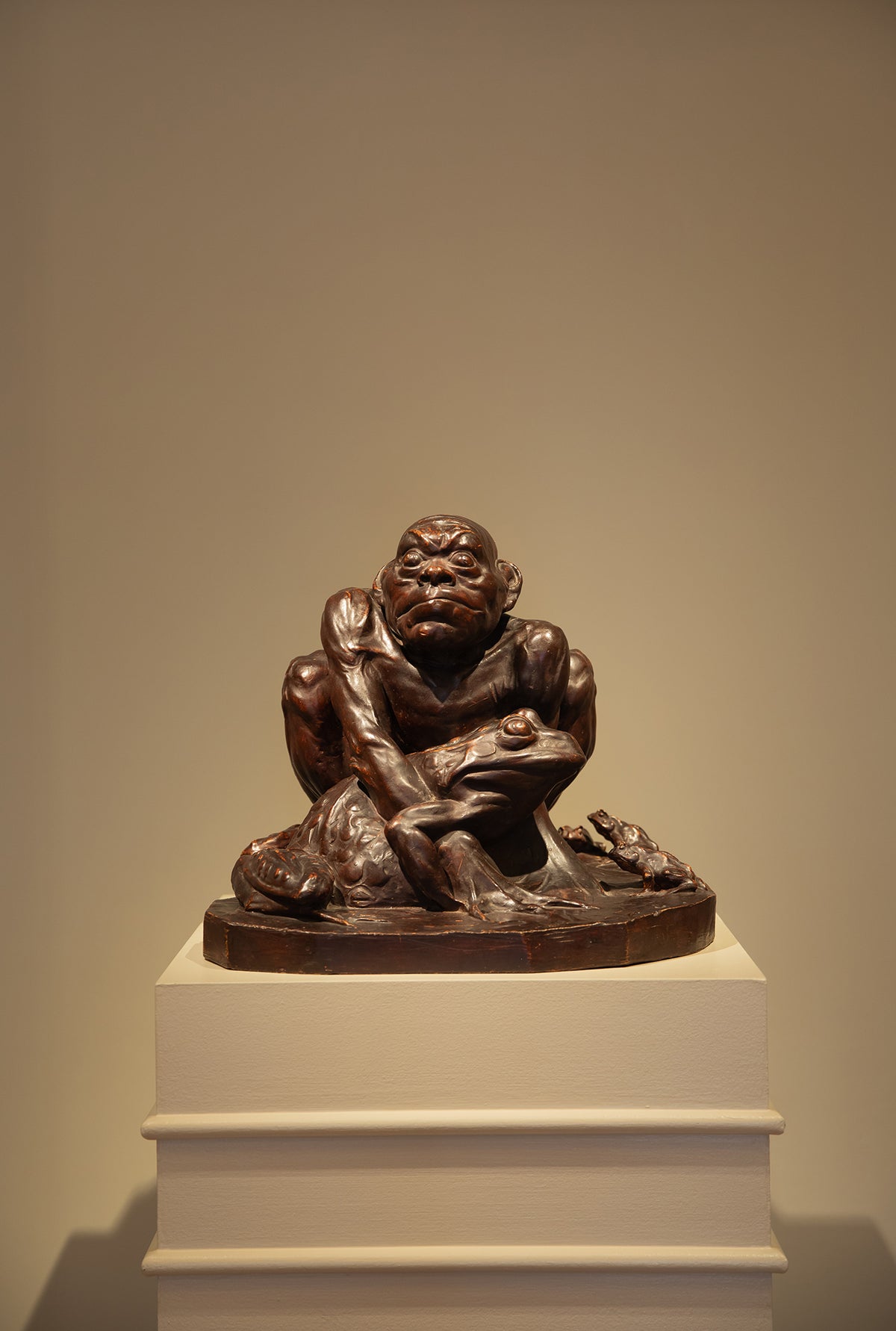
One of my favourite 19th-century artists is Jean Carriès, and he produced this incredible frog man, half frog, half man. It takes inspiration from Japanese art, so it's the Japaniste idea in French art, and also from French medieval art, but then he's moved it into a whole different dynamic in his imagination. You've got this strange creature sinking into, or extracting himself from, a swampy pond, clutching a giant toad. It's great fun, curious and a little bit mad. An incredible invention, and one of my favourite pieces.
Thank you, Stuart!
stuartlochhead.art | @stuartlochhead